
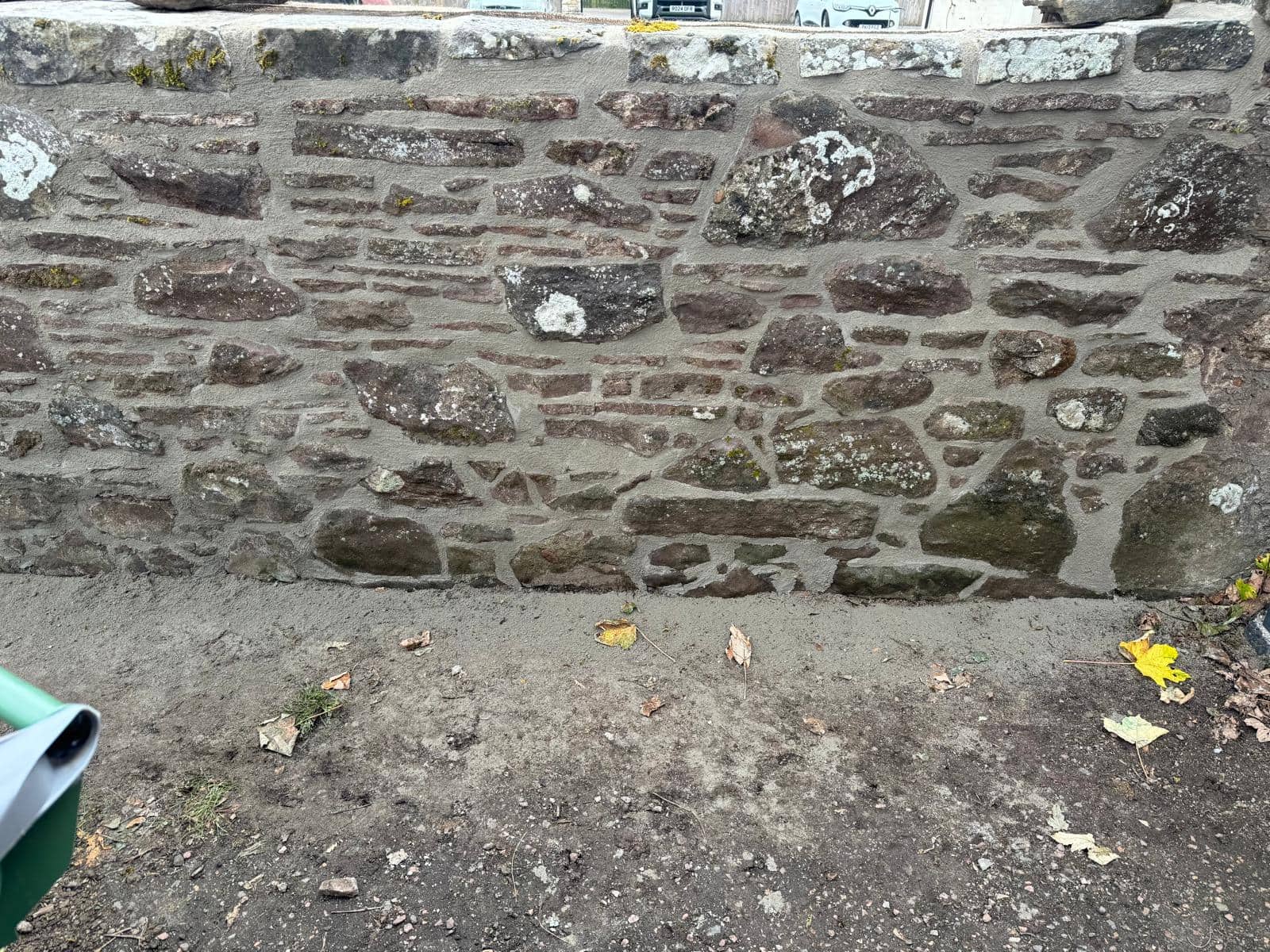
One of the most common questions we get asked at J Sweeney & Sons Ltd is how long a dry stone wall will actually last. It is a fair question, particularly for landowners, homeowners, and estate managers who are considering investing in traditional stonework and want to understand its long-term value.
The simple answer is that a well-built dry stone wall can last for decades, and in many cases, well over a hundred years. Across Scotland and the wider UK, there are dry stone walls still standing that were built generations ago, some of which have been in place for well over a century with very little intervention.
However, the lifespan of a dry stone wall is not just down to the materials used. It is influenced by how the wall is built, the conditions it is exposed to, and how well it is maintained over time. As a family business with generations of experience working with stone, we have seen first-hand the difference that proper craftsmanship and technique can make.
Why Dry Stone Walls Last So Long
Dry stone walling is one of the oldest construction methods still in use today, and its longevity comes down to the way it is built. Unlike modern walls that rely on mortar to hold everything together, dry stone walls are constructed by carefully selecting and placing stones so that they lock together naturally.
This creates a flexible structure that can move slightly with the ground and adapt to changes in temperature and weather conditions. In Scotland especially, where the weather can be harsh and unpredictable, this flexibility is a major advantage.
Mortared walls can crack over time as the ground shifts or as frost causes expansion and contraction. When this happens, repairs can become necessary relatively quickly. Dry stone walls, on the other hand, are designed to accommodate these changes, which is one of the key reasons they last so long.
Another factor is drainage. Because there is no mortar, water can pass through the wall rather than becoming trapped inside. This prevents the kind of damage that often occurs in solid walls during freezing conditions.
The Importance of Skilled Craftsmanship
While dry stone walls are known for their durability, the quality of the build plays a huge role in how long they will last. A properly constructed wall is not just a pile of stones. It requires careful selection, positioning, and an understanding of how each stone contributes to the overall structure.
At J Sweeney & Sons Ltd, we have spent decades honing these skills, passing techniques down through generations. Every wall we build is designed with longevity in mind, ensuring that it is structurally sound from the base up.
Key elements such as the foundation, the batter of the wall, and the use of through stones all contribute to strength and stability. When these elements are done correctly, the wall is far more resistant to movement and environmental stress.
Poorly built walls, on the other hand, may begin to fail within a much shorter timeframe. This is often where people see sections collapsing or leaning, particularly in areas exposed to strong winds or heavy rainfall.
Environmental Factors That Affect Lifespan
Even the best-built dry stone wall will be influenced by its surroundings. In Scotland, we work with a wide range of landscapes, from rural farmland to coastal areas, and each environment presents its own challenges.
Weather is one of the biggest factors. Constant exposure to wind, rain, and frost can gradually wear down a wall over time. However, as mentioned earlier, the design of dry stone walls helps them withstand these conditions better than many other types of construction.
Ground movement is another consideration. If the ground beneath the wall shifts significantly, it can affect stability. This is why proper foundations are so important during the build process.
Vegetation can also play a role. While some plant growth can actually help bind a wall together, invasive roots or large plants growing within the structure can cause stones to become dislodged.
Animal activity is another factor we often see, particularly in rural areas. Livestock leaning on walls or burrowing animals disturbing the base can contribute to wear and tear over time.
Maintenance and Its Role in Longevity
One of the advantages of dry stone walling is that it requires relatively low maintenance compared to other types of structures. However, that does not mean it should be completely ignored.
Regular inspections can help identify small issues before they become larger problems. A loose stone or a slight bulge in the wall can often be addressed quickly, preventing more extensive damage later on.
When repairs are needed, dry stone walls are much easier to work with than mortared walls. Sections can be carefully dismantled and rebuilt using the same materials, maintaining the integrity and appearance of the original structure.
At J Sweeney & Sons Ltd, we often carry out repair work on walls that have stood for decades. In many cases, these walls are still largely intact, with only small areas needing attention.
Comparing Dry Stone Walls to Modern Alternatives
When considering how long a dry stone wall lasts, it is worth comparing it to other types of boundary or retaining structures.
Timber fencing, for example, typically has a much shorter lifespan. Even treated timber will eventually degrade due to moisture and weather exposure, often requiring replacement within 10 to 20 years.
Brick or block walls can last longer, but they are more susceptible to cracking and water damage, particularly if not maintained properly. Repairs to these types of walls can also be more complex and costly.
Dry stone walls, by contrast, offer a combination of longevity, flexibility, and ease of repair that makes them a strong long-term investment. While the initial cost may be higher than some alternatives, the lifespan and reduced maintenance requirements often make them more cost-effective over time.
The Role of Materials in Wall Longevity
The type of stone used in construction also plays a part in how long a wall will last. In Scotland, we are fortunate to have access to a wide variety of natural stone, each with its own characteristics.
Using locally sourced stone not only ensures that the wall blends naturally with its surroundings, but it also means the materials are well-suited to the local climate. Stones that have formed in a particular environment are naturally more resistant to the conditions found there.
Selecting the right stone and placing it correctly is a key part of the process. Larger stones are typically used at the base to provide stability, while smaller stones are used to fill gaps and lock the structure together.
Why Dry Stone Walling Remains in Demand
Despite advances in modern construction methods, dry stone walling remains highly sought after. This is not just because of its durability, but also because of its appearance and heritage value.
In many parts of Scotland, dry stone walls are an iconic part of the landscape. They add character to rural areas and are often a requirement in conservation and heritage projects.
For landowners and developers, investing in dry stone walling is not just about functionality. It is also about preserving traditional craftsmanship and contributing to the visual appeal of the surrounding area.
At J Sweeney & Sons Ltd, we take pride in continuing this tradition, combining time-honoured techniques with the needs of modern projects.
How Long Should You Expect Your Wall to Last?
When built correctly and maintained over time, a dry stone wall can easily last 50 to 100 years or more. In many cases, with occasional repairs and care, these walls can effectively last indefinitely.
We have worked on walls that have been standing for generations, requiring only minimal intervention to keep them in good condition. This is a testament to the strength and durability of traditional stonework.
For anyone considering a new wall, it is important to think long-term. Choosing a skilled and experienced contractor ensures that the wall is built to last, providing value for years to come.
Investing in Quality Craftsmanship
Ultimately, the lifespan of a dry stone wall comes down to the quality of the workmanship. A well-built wall is an investment that can outlast many other types of construction, providing both practical and aesthetic benefits.
At J Sweeney & Sons Ltd, we approach every project with a focus on quality, durability, and attention to detail. With generations of experience behind us, we understand what it takes to build walls that stand the test of time.
For those looking to install or restore a dry stone wall, choosing the right team makes all the difference. With the right approach, a dry stone wall is not just a structure, it is something that can remain part of the landscape for decades, if not centuries.